Launching Social Media Marketing Training in Kuwait (2013)
By 2013, social media marketing had emerged as a key driver of marketing and advertising in Kuwait. As demand grew, more professionals and businesses began seeking training and workshops to understand the methods, techniques, and strategies behind effective digital marketing. Recognizing this need, I began offering specialized workshops and training courses on social media marketing and online advertising.
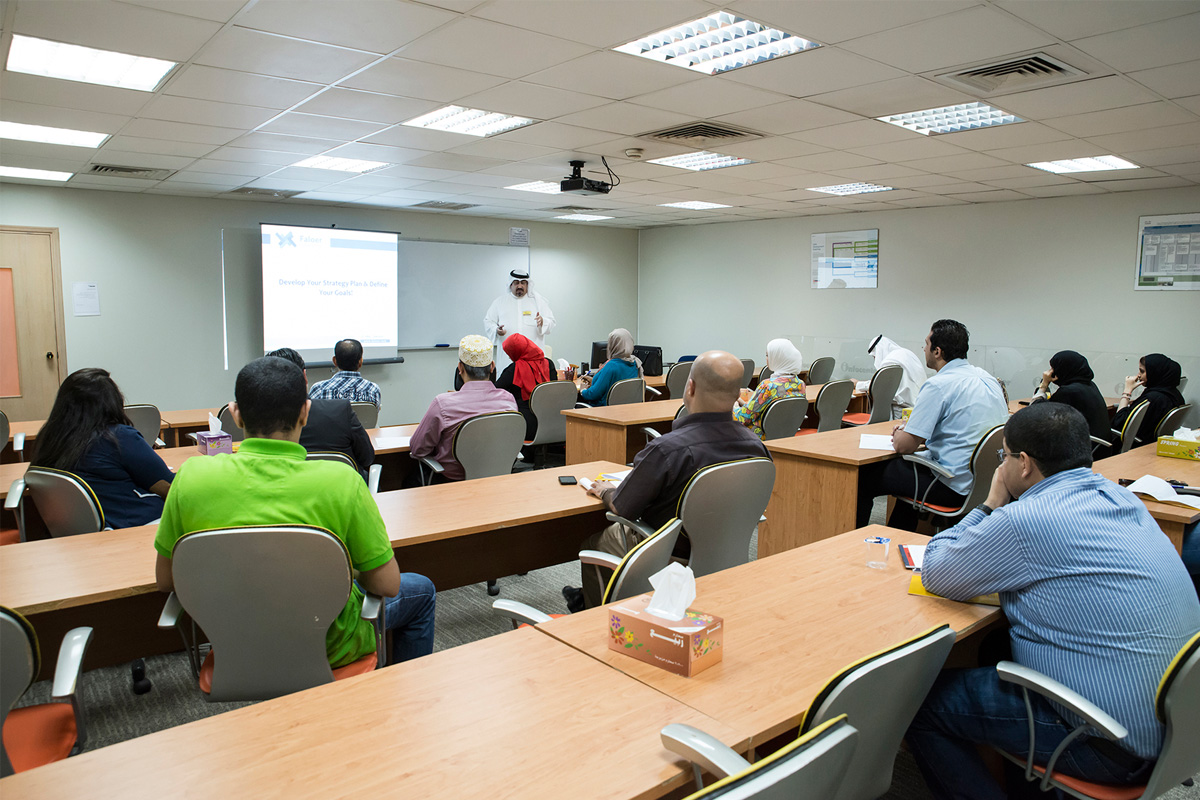
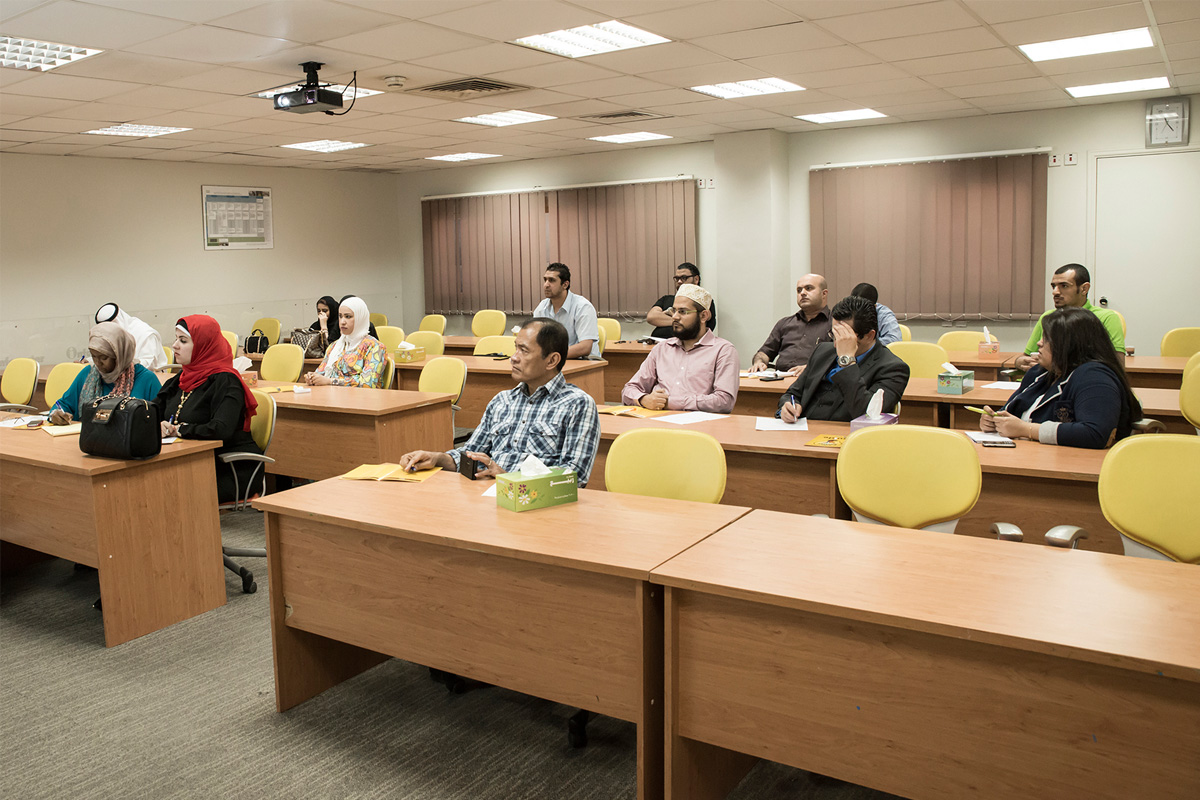
One of these workshops was conducted at Infocenter Training Institute, focusing on Instagram marketing strategies. The training covered essential techniques for growing followers, engaging effectively with audiences, and implementing risk management strategies when handling business or client Instagram accounts.
Why Instagram, and why that moment
Instagram was the platform Kuwait adopted hardest and fastest. It suited the market — visual, mobile, personal, and comfortable for businesses that had never written a word of marketing copy in their lives. Small traders who would never have built a website had a functioning storefront in a matter of weeks, and by 2013 a meaningful share of retail in Kuwait was quietly running through direct messages.
That is what made training necessary. The businesses arriving on the platform had skipped every step that normally teaches a company how to handle customers at scale: no CRM, no ticketing, no record of what was promised to whom, no policy for what happens when something goes wrong in public. They had distribution before they had process, which is the most dangerous order to acquire the two in.
Risk management — the part nobody wanted to hear
The section of the workshop on managing risk when you hold someone else’s account was consistently the least popular and the most useful. Attendees came to learn growth and were instead asked uncomfortable questions: who else has this password, what happens when that employee leaves, what is your recovery route if the account is compromised on a Friday, and who is legally responsible for a post that causes damage.
In 2013 those questions were mostly hypothetical to the room. They are not hypothetical now. Accounts in Kuwait get lost to shared credentials, to a departing employee, to a convincing phishing message, or to an agency that stops replying, and the business discovers that the channel carrying a large part of its revenue was never actually in its own name. The platform’s own account security and recovery documentation is better than it was, but recovery is always slower and more painful than prevention.
The rules I taught then are the rules I would give today, essentially unchanged: the business owns the account, not the person running it; access is granted through proper business tooling rather than by sharing a password; two-factor authentication is mandatory and the recovery method belongs to the company; anyone with publishing rights is listed and reviewed; and there is a written note of what the account may say without asking permission first.
What growth meant then, and what it means now
Growing followers in 2013 was a mechanical exercise, and a fair amount of what worked was gaming: follow-unfollow, comment pods, hashtag stuffing, giveaways designed to inflate a number rather than find a customer. It worked because the ranking was crude. It stopped working because the ranking stopped being crude, and today most of those tactics actively suppress a business’s reach.
What replaced it is less satisfying and more durable. Reach now follows content people choose to watch to the end, share privately, or come back to — and audience size matters far less than whether the audience is the one that can actually buy from you. Ten thousand followers who entered a giveaway are worth less than five hundred people who live in your delivery radius. Instagram’s own business resources now say more or less the same thing, which was not true in 2013.
What changed about running a client’s account
The biggest shift is legal and operational rather than creative. An account today handles payment discussions, personal customer data and delivery addresses, which places it under obligations that simply did not apply when it was a place to post product photos. Anyone managing accounts for clients in Kuwait needs to be able to answer where that data goes, who can read it, and how long it is kept — and most cannot.
The second shift is that the inbox has become the shop floor. Response time, accuracy and the ability to pick up a conversation someone started three weeks ago now decide more revenue than the grid does. That is an operations problem, and it is the point at which sensible automation earns its place — routing, drafting, summarising, retrieving history — rather than a bot standing between the customer and a human. I have written about doing that properly in the piece on AI in operations, and about what the same shift is doing to retail specifically in AI-driven customer insights for Kuwaiti retail.
What made the training format work
One thing I learned quickly running these sessions is that generic training does not survive contact with the room. The workshops that produced real change were the ones where attendees brought their own account, their own products and their own backlog of unanswered messages, and left having actually fixed something. The ones that produced nothing were the ones delivered as slides to a mixed audience with no shared problem.
That is still how I run any team session, and it is why I ask what a group is actually working on before agreeing to teach them anything. A team that applies the material the same week retains it. A team that watches a presentation retains the feeling of having attended a presentation.
The advice that survived unchanged
Post less and answer more. Write in the language the customer wrote to you in — and in Kuwait that overwhelmingly means being genuinely comfortable in Arabic, not running a translated caption, which is a point I make at length in the guide to Arabic UX in the GCC. Never let a channel you do not own become the only place your customers can reach you; the account is rented, the website is yours, and the businesses that learned that the hard way learned it during a platform outage or a suspension.
That last point is the one I would underline hardest today. Social platforms remain the best place in Kuwait to be discovered and the worst place to be dependent. Building the owned layer properly — a fast, indexable, bilingual site that can take an order without a direct message — is the work described on the web consulting page, and the broader arc from that 2013 period is set out in the Social Media Summit retrospective.
Frequently asked questions
Do you still speak at conferences and events?
Yes — on AI adoption, digital products and search visibility, in Arabic or English. Tell me the audience and the theme and I will tell you honestly whether I am the right speaker for it.
Do you run training or workshops for teams?
Yes, built around the team’s actual tools and level rather than generic slides. These work best when the group has a real project in front of them, because the material can be applied the same week.
What do you work on now?
AI consulting and automation, Fractional CTO engagements, digital product and web development, and search and AI visibility, for businesses in Kuwait and across the GCC.